
Same foam, one cooling additive. Here is what the gel premium actually buys you.
The Two Options at a Glance
Gel Memory Foam
Standard viscoelastic foam with gel beads, a liquid gel swirl, or phase-change material blended in to pull heat off your skin. It feels cooler when you first lie down, then warms through like any foam. The feel is the same slow, contouring hug, sometimes a touch firmer.
- Feel
- Slow hug, slightly firmer
- Typical lifespan
- 3 to 5 years (topper)
- Price range
- $120 to $220 (queen)
- Stand-out trait
- Cooler first contact
Traditional Memory Foam
The original viscoelastic foam. It reacts to body heat and weight, slowly sinking to cradle hips and shoulders, which makes it the go-to for side sleepers and pressure points. The trade-off is heat, and the feel is the classic deep, slow-sink body hug.
- Feel
- Deep, slow-sink hug
- Typical lifespan
- 3 to 5 years (topper)
- Price range
- $80 to $180 (queen)
- Stand-out trait
- Cheapest deep contouring
How They Compare, Trait by Trait
For cooling, gel is the better pick, but keep expectations modest. Gel pulls heat from your skin at first contact, while traditional foam traps body heat and sleeps the warmest of common topper materials. The Sleep Foundation found gel appears to offer minimal, if any, cooling benefit over traditional memory foam once the foam warms through, which takes roughly 20 to 40 minutes.
Traditional foam takes this narrowly. Both share the same viscoelastic base, so pressure relief is essentially equal, but a gel infusion can make the surface feel a touch firmer. What actually changes contouring is density and thickness: a 3-inch, higher-density topper of either type cradles hips and shoulders the deepest.
Traditional foam wins on price. A queen runs about $80 to $180, while gel versions sit around $120 to $220, often a $30 to $60 premium over an otherwise identical topper. If the gel premium is small, warm sleepers can justify it. Past that, spend the difference on denser foam or a breathable cover instead.
Effectively a tie. Both gel and traditional toppers typically last 3 to 5 years, and the gel does not meaningfully change foam lifespan. Higher-density foam, gel or not, holds its shape longer and resists the body-impression sag that ends a topper's useful life. Heavier sleepers should prioritize density over the additive.
Gel has a slight edge. Both release a faint new-foam smell that usually clears within a few days, but denser traditional foam can linger a little longer. Either way, choose CertiPUR-US certified foam, independently tested for VOC emissions under 0.5 parts per million, and air the topper out before the first night.
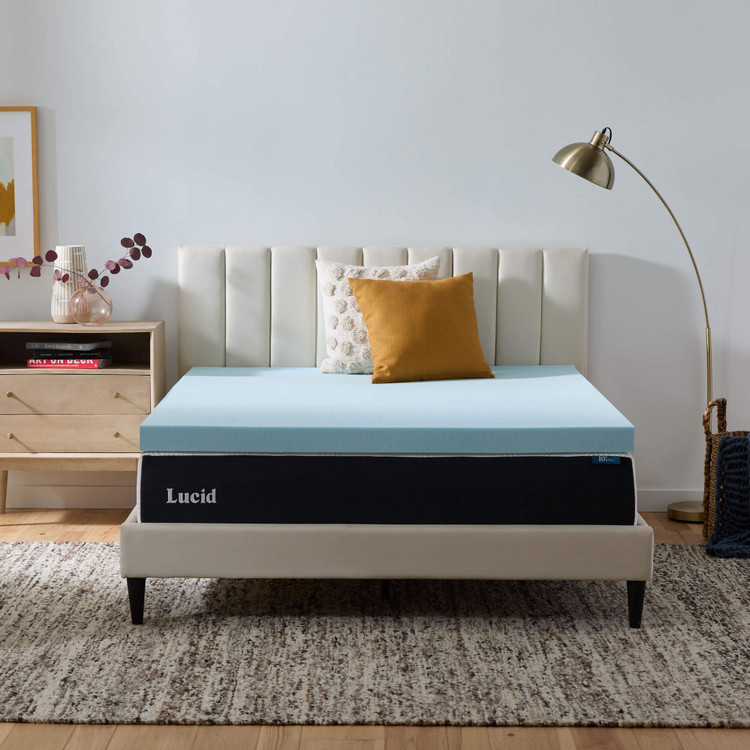
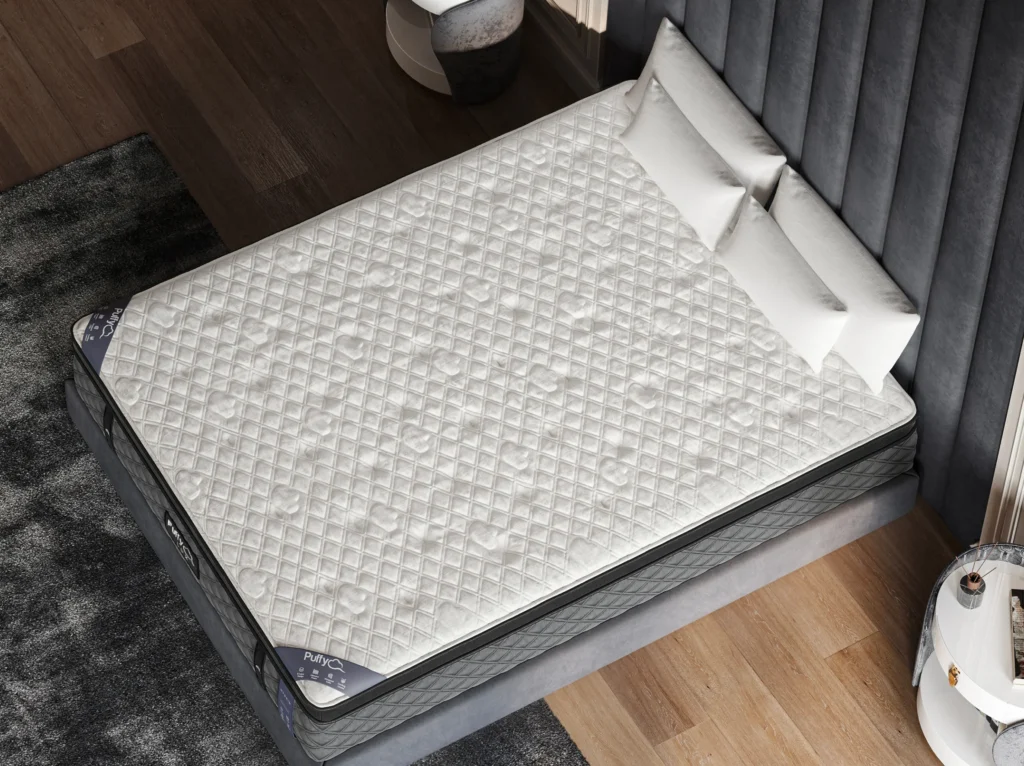
Our Top Picks for Each Side


Quick Verdict
Pick Gel Memory Foam if :
- You run warm but not extreme and want a cooler first contact
- The gel premium is small, around $30 to $40 on a queen
- You want pressure relief plus a small temperature edge
Pick Traditional Memory Foam if :
- You sleep cool or you are shopping on a budget
- You want maximum slow-sink contouring for hips and shoulders
- You would rather spend the gel premium on a thicker, denser topper
Frequently Asked Questions
Does gel memory foam actually sleep cooler than traditional?
Is gel memory foam worth the extra money?
Which is better for back or hip pressure?
Do both types off-gas?
How long does a memory foam topper last?
Last updated: September 2026. Reviewed by Paata, Bedding Advisor at Best Mattress Topper. Some links are affiliate links: we may earn a commission at no extra cost to you. We do not accept paid placements.